
Plumbing FAQs | Stuart, FL
At Stuart Plumbing Pros, we put together this FAQ page to answer the plumbing questions Stuart homeowners actually ask us, drawn straight from the calls that come in week after week.
We have spent years working on homes across Stuart and the surrounding Treasure Coast, and over that time the same questions come up again and again, about drain cleaning, water heater repair and replacement, pipe repair and repiping, water line work, fixture installation, garbage disposal service, gas line work, slab leaks, and around the clock emergency plumbing. We figured the most useful thing we could do is gather those questions in one place and answer them plainly, the way we would explain things standing in your kitchen. From the older homes near downtown and the St. Lucie River to the newer builds out toward Jensen Beach and Port Salerno, we know the quirks this area throws at a plumbing system, including hard, mineral heavy water and aging galvanized pipes in homes that have been around a while. Everything below comes from real situations we have walked homeowners through. We take the time to diagnose carefully instead of guessing, and we treat every home with the same respect we would want for our own. If your question is not covered here, we are always glad to talk it through. Here is what people in the area ask us most.
General Plumbing Questions in Stuart
When should I call a plumber instead of waiting?
A good rule of thumb is that if a problem is getting worse, involves standing water, or affects more than one fixture, it is time to call. A slow drain can sometimes wait a day or two, but a leak, a sewage smell, or a sudden drop in pressure should not sit. Waiting on a small issue usually turns a simple repair into a bigger one. When in doubt, reach out and we will help you decide how urgent it is.
What counts as a plumbing emergency?
Anything that threatens your home or makes it unlivable counts as an emergency. A burst pipe flooding a room, sewage backing up into the house, a water heater dumping water across the floor, or having no running water at all are clear examples. These problems get worse fast, so they cannot wait for a regular appointment. If you are watching water spread and cannot stop it, shut off your main valve and call us. We handle these urgent situations around the clock.
Do you work on both homes and condos in Stuart?
Yes, we work on single family homes, condos, and townhomes throughout the area. Condos bring their own considerations, since shared walls and stacked units mean a leak in one place can affect a neighbor. We know how plumbing runs in these buildings and track a problem to its real source. Whether you own a house near the water or a condo, we approach the work the same careful way.
Why do older homes here seem to have more plumbing problems?
Many homes here were built decades ago, and the original plumbing is simply showing its age. Galvanized pipes corrode from the inside over time, which leads to low pressure, discolored water, and leaks. Older fixtures and connections wear out too. None of this means an older home is a bad home, it just means the plumbing deserves a closer look. We work on these properties regularly and know how to update them while respecting the character of the house.
What are the most common plumbing problems in older homes here?
The big ones we see are corroded galvanized pipes, drain lines narrowed by decades of buildup, worn out fixtures, and water heaters past their prime. Hard water speeds a lot of this along, leaving mineral deposits that clog pipes and shorten the life of appliances. Tree roots working into older water lines come up too. The good news is that all of these are fixable, and catching them early keeps a manageable repair from becoming a major project.
Can a small leak really cause big damage?
Absolutely, and that surprises a lot of people. A slow drip inside a wall or under a floor can go unnoticed for weeks while it feeds mold and rots framing. By the time a stain shows up on the ceiling or wall, the damage behind it is often well underway. That is why we treat even minor leaks seriously. Stopping a small leak early is far less costly and disruptive than repairing water damage and structure after the fact.
Do you find the root cause or just fix the symptom?
We dig into the root cause every time. Patching a symptom might quiet a problem for a week, but it tends to come right back if the underlying issue is still there. A drain that keeps clogging, for instance, often has something deeper going on that a quick snaking will not solve. We use cameras and proper diagnostics to find out what is actually happening, then fix that, which saves you repeat visits and money over the long run.
How do I know if I have hard water?
Hard water is common throughout this part of Florida, so there is a good chance you have it. Signs include white mineral crust around faucets and showerheads, spots on glasses, soap that does not lather well, and water heaters that wear out early. Over time the buildup narrows pipes and coats appliances. We can talk through options that reduce the strain hard water puts on your plumbing.
Drain Cleaning and Clog FAQs in Stuart
How much does drain cleaning cost here?
The cost depends on what is causing the clog and how deep it sits, since a simple sink blockage is very different from a main line obstruction. Rather than throw out a number that may not fit, we look at the problem first and explain what the work involves before we begin, so there are no surprises. Clearing a clog early, before it becomes a full backup, almost always keeps the job simpler.
Why does my kitchen sink drain keep backing up?
A kitchen sink that keeps backing up usually has grease, food debris, and soap residue building up along the drain line. Over time that narrows the pipe until water cannot pass freely. Sometimes the clog sits deeper than a plunger or store bought product can reach. If it keeps returning after you clear it, that points to something more stubborn in the line. We can clear it properly and run a camera to see whether a deeper issue is feeding the problem.
Is hydro jetting better than snaking?
It depends on the clog. Snaking is great for breaking through a single blockage and is often all a drain needs. Hydro jetting uses high pressure water to scour the full inside of the pipe, which works better for heavy grease buildup, recurring clogs, or roots. For an older home with years of accumulation, jetting gives a more thorough clean. We assess the line first, then recommend whichever method fits.
Are chemical drain cleaners safe to use?
We steer people away from them. Those harsh chemicals can eat at older pipes, especially the aging metal lines common in many homes around here, and they often only punch a small hole through a clog rather than clearing it. They also sit in your trap giving off fumes. A proper mechanical cleaning removes the blockage without damaging the pipe. If you have already poured some in, let us know so we can take precautions when we open the line.
What causes a slow draining bathtub?
Most slow tub drains come down to hair and soap scum binding together inside the drain and trap. It builds gradually, so you may not notice until the water is pooling around your feet. Sometimes the slowdown is further along the line, particularly if other fixtures are sluggish too. We clear the immediate blockage and check whether it is an isolated clog or a sign of something building deeper in the system, then handle it accordingly.
How can I prevent clogs in the first place?
A few simple habits go a long way. Keep grease out of the kitchen drain, since it hardens as it cools and grabs onto debris. Use strainers to catch hair and food scraps. Avoid sending fibrous or starchy foods through the disposal. Run plenty of water when you do use it. For homes with a history of buildup, an occasional professional cleaning keeps the lines clear. Small steps like these prevent most of the backups we get called out for.
Do you offer same day drain cleaning?
In most cases, yes. A clogged drain is one of those problems that disrupts your whole day, so we make same day drain cleaning a priority whenever our schedule allows. If you call in the morning, there is a good chance we can have it cleared before evening. For a full backup affecting multiple drains, that moves up the priority list since it usually points to the main line. Reach out and we will let you know how quickly we can get to you.
Water Heater Repair and Installation FAQs in Stuart
What are the signs my water heater needs replacement in Stuart?
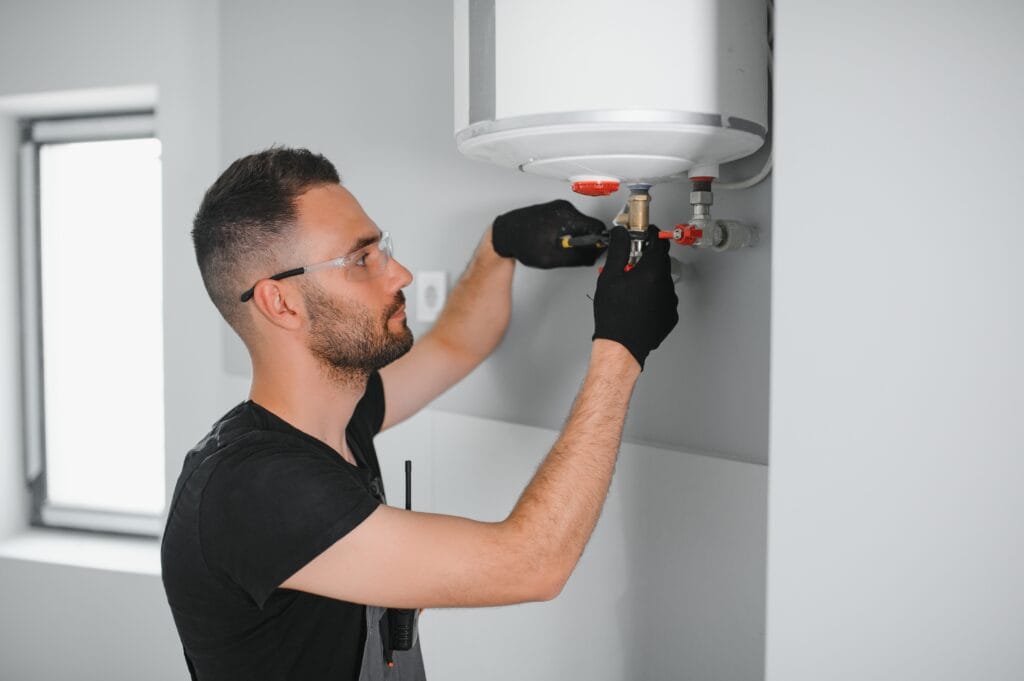
Watch for rusty water from the hot tap, rumbling or popping noises, water pooling around the base, and a unit that cannot keep up anymore. Age matters too, since most tanks last ten to fifteen years, and hard water often shortens that. If your heater shows several of these signs at once, repair may only buy a little time. We will give you an honest read on whether to repair or replace.
When should I call for no hot water?
If you have lost hot water entirely, it is worth calling sooner rather than later, since the cause can range from a simple part to a failing tank. For a gas unit, the pilot or burner may be the issue, while an electric unit might have a tripped element. Sometimes it is a quick fix, sometimes not. Before you call, you can check whether the unit has power or a lit pilot, but if nothing obvious turns up, let us take a look.
Why is my water heater leaking from the bottom?
A water heater leaking from the bottom often means the tank has corroded through, which usually points to replacement. Less seriously, it could be a faulty drain valve or a loose connection. Either way, water around the base should not be ignored, because a tank can fail completely once it leaks. Turn off the water supply to the unit if you can, and we will determine whether it is a simple fix or time for a new one.
Do you install tankless water heaters in Stuart?
Yes, we install and service tankless water heaters along with traditional tank units. Tankless systems heat water on demand, so you are not paying to keep a tank hot all day, and they free up space. They do need proper sizing to match your household’s hot water use, and hard water means they benefit from periodic maintenance. We help you weigh whether tankless fits your home, then size and install it correctly so it performs the way you expect.
Is a tankless water heater worth it?
For many households, yes, though it depends on how you use hot water. Tankless units are efficient and supply continuous hot water, which suits busy homes that would otherwise run a tank dry. The upfront cost runs higher than a standard tank, but the efficiency and longer lifespan often balance that out. Where hard water shortens tank life anyway, a well maintained tankless unit can be a smart choice. We are glad to talk through whether it fits.
How long does a water heater last around here?
A traditional tank heater typically lasts ten to fifteen years, while a tankless unit can run longer with proper care. The catch in this area is hard water, which leaves mineral sediment inside the tank and makes it work harder, often trimming a few years off that range. Flushing the tank periodically helps. If your heater is creeping toward the upper end of its expected life and starting to act up, it is wise to plan ahead rather than wait for a failure.
Can you repair a water heater instead of replacing it?
Often, yes. Plenty of water heater problems come down to a part like a thermostat, heating element, or valve, and replacing that is far simpler than swapping the whole unit. Repair makes the most sense when the tank itself is sound and the heater is not too old. Once a tank is corroded or near the end of its lifespan, repeated repairs stop being worthwhile. We always tell you honestly which path we would choose if it were our own home.
Why does my water heater make popping noises?
That popping or rumbling is usually sediment settled at the bottom of the tank. As the burner heats it, water trapped under that layer boils and bubbles up, making the sound. Hard water makes this more common. Beyond the noise, sediment makes the heater less efficient and shortens its life. Flushing the tank often helps, and we can handle that as part of routine service.
Pipe Repair, Repiping and Water Line FAQs in Stuart
What should I do for a burst pipe in Stuart?
Act fast. Shut off your main water valve right away to stop the flow, then open a few faucets to drain the remaining water in the lines and relieve pressure. Move anything valuable away from the water and call us. A burst pipe can put a lot of water into a home quickly, so the sooner the supply is off, the less damage you are dealing with. We respond to these urgent calls and will get the line repaired and your water back on.
How do I know if I need repiping?
Repiping comes into the conversation when leaks and pressure problems keep recurring across the whole house rather than at one spot. If you have aging galvanized pipes, see rust colored water from the taps, and find yourself patching leaks repeatedly, the pipes themselves are likely the issue. In older homes around here, that pattern is common. We inspect the system and tell you honestly whether targeted repairs will hold or whether repiping is the more sensible long term fix.
What causes low water pressure in local homes?
Low pressure has several common causes here, with corroded galvanized pipes near the top of the list in older homes. Mineral buildup from hard water narrows the lines over time, a hidden leak can bleed off pressure, and sometimes the issue traces back to the main water line. Because the causes differ so much, guessing wastes time. We diagnose where the pressure is actually being lost, then recommend the fix that addresses it, whether that is clearing, repairing, or replacing a section.
How does slab leak detection work?
Many homes here sit on concrete slabs, and when a pipe beneath one leaks, we use electronic listening and pressure equipment to pinpoint the spot without tearing up the whole floor. Signs of a slab leak include a warm patch on the floor, the sound of running water with everything off, and an unexplained jump in your water bill. Once we locate it precisely, we choose the least disruptive repair, whether accessing that one spot or rerouting the line around it.
What are the signs of a main water line leak?
Look for soggy or sunken patches in the yard with no rain, a water bill climbing for no clear reason, a drop in pressure throughout the house, and the sound of running water when nothing is on. Dirty or air filled water from the taps can point to it as well. Sandy soil and mature tree roots in the area put steady stress on buried lines. Catching a main line leak early keeps it from becoming a flooded yard or a foundation problem.
Can you fix a leaking pipe inside a wall?
Yes, and it is a common call. The tricky part is locating the leak precisely so we open only the section of wall we need to. We track the source, make the repair, and check that the surrounding area has not taken on hidden water damage. A pipe leaking in a wall often shows up first as a stain, a musty smell, or a spike in the water bill. The sooner we get to it, the less wall and structure we have to deal with.
Garbage Disposal Repair and Installation FAQs in Stuart
How do I fix a jammed garbage disposal?
First, switch it off at the wall for safety, never reach in with the power on. Many disposals have a hex slot on the underside that lets you turn the flywheel manually with an Allen wrench to free a jam. There is also a reset button on the bottom that often needs pressing after a jam. If it still only hums or stays dead after that, something more is going on, and we can take a look rather than risk damaging the unit.
Why does my garbage disposal smell bad?
Odors usually come from food particles caught inside the unit and along the splash guard. Grinding a few ice cubes helps scrape the chamber, and citrus peels can freshen it up, but a deep clean of the rubber guard is often what really clears the smell. If the odor lingers no matter what you try, there may be buildup further down the drain line. We can clean it out thoroughly and check that nothing is trapped where it should not be.
Why is my disposal leaking?
A leaking disposal typically comes from a worn seal, a loose drain connection, or a cracked housing. Where the water shows up gives a clue, since a leak from the top often means the sink flange, while one from the bottom usually signals an internal seal that has failed. A failing internal seal generally means the unit is near the end. We track down exactly where the water is escaping and let you know whether it is a simple fix or time for a replacement.
How long do garbage disposals last?
Most disposals last around eight to twelve years, depending on how heavily they are used and cared for. Sending hard or fibrous items through them, or using them as a catch all for everything, wears them down faster. If yours is getting up there in age and starting to jam, leak, or lose power, it may be more practical to replace it than to keep nursing it along. We can advise based on what we find.
What should I avoid putting down my disposal?
Keep out grease and oil, since they harden and clog the line. Avoid fibrous things like celery and corn husks, starchy items like potato peels and pasta, coffee grounds, and anything bony or hard. These either tangle the blades or build up in the drain. Run cold water while the disposal works and let it run a moment after. Treating it gently like this prevents most of the jams and clogs we get called out to fix.
Plumbing Fixture Installation and Repair FAQs in Stuart
My toilet keeps running, what should I do?
A toilet that keeps running is usually down to a worn flapper, a chain that is catching, or a fill valve that is not shutting off properly. The flapper is the most common culprit, since it hardens and stops sealing over time. You can jiggle the handle as a temporary check, but a running toilet wastes a surprising amount of water day after day. The fix is typically quick and inexpensive once the part is identified, and we can sort it out fast.
Why is my faucet dripping all night?
That steady drip almost always traces back to a worn washer, O ring, or cartridge inside the faucet. As those parts age, they stop sealing fully and let water seep through even when the handle is off. Beyond the annoyance and lost sleep, a constant drip wastes water and can stain the fixture over time. It is a straightforward repair once we know your faucet type, and replacing the worn part usually puts an end to it for good.
Can you install a new shower or replace a shower valve?
Yes, both are regular jobs for us. A shower valve replacement comes up when the handle gets hard to turn, the temperature is tough to control, or the valve starts leaking behind the wall. Installing a new shower involves making sure the valve, connections, and seals are all done right so there are no hidden leaks down the line. We protect the surrounding tile and finishes while we work and test everything thoroughly before we call it done.
Do you handle toilet installation?
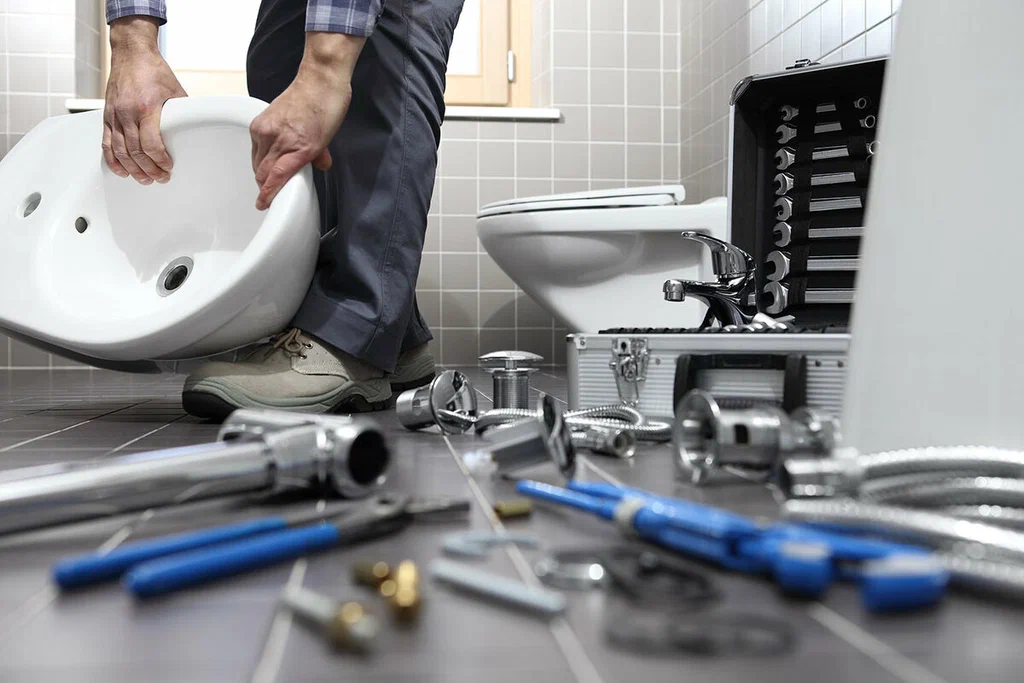
We do, whether you are upgrading to a more efficient model, replacing a cracked one, or putting in a new bathroom fixture. Proper installation matters more than people realize, since a toilet that is not seated and sealed correctly can rock, leak at the base, or let odors through. We set it level, seal it properly with a fresh wax ring, and confirm it flushes and refills the way it should before we leave. Done right, it gives you years of trouble free use.
How do I stop a faucet from leaking at the base?
A faucet leaking around its base, rather than from the spout, usually points to worn O rings or a loose connection where the faucet meets the sink. Water pooling there can sneak under the sink and cause damage if it is ignored. The repair involves taking the faucet apart, replacing the worn seals, and tightening everything back up properly. It is not a difficult fix once you know the cause, and we can take care of it quickly during a visit.
Gas Line and Emergency Plumbing FAQs in Stuart
What should I do if I smell gas?
Treat it as the serious situation it is. If you smell gas or suspect a gas leak, go outside immediately and call 911 – this is a serious emergency that needs urgent attention from the gas company. Do not flip switches, light anything, or use your phone inside, since a spark can ignite the gas. Get everyone out first. Once the gas company has made the area safe, we can help with any repair the line needs.
Do you handle gas line installation for a stove?
Yes, we install and repair gas lines for stoves, dryers, water heaters, and outdoor grills. Running a new line for a gas range is a common request, and it has to be sized and sealed correctly for the appliance. Every line we work on gets pressure tested and checked for leaks before we consider the job finished. Gas work is not a place for shortcuts, so we take the time to do each connection properly and verify everything holds.
How fast can an emergency plumber arrive?
We treat true emergencies as the priority they are and respond as fast as we can, often within hours. A burst pipe or major leak cannot wait, so those calls jump to the front. While you wait, shut off your main water valve to limit the damage. When you reach out, we will give you a realistic sense of how soon we can be there.
What makes something an after hours emergency?
If a problem cannot safely wait until morning, it qualifies. Burst pipes, major leaks you cannot control, sewage backups, and a complete loss of water all fall into that category, since the damage or disruption mounts by the hour. A single slow drain usually can wait, but flooding cannot. As a 24 hour plumber serving the area, we would rather you call and ask than let a worsening situation sit overnight. We will help you judge whether it needs immediate attention.
How do I stop an emergency water leak before you arrive?
The fastest move is shutting off your main water valve, which cuts the supply to the whole house. It is usually located where the water line enters the home, often near the front or in a utility area, so it helps to know where yours is before an emergency hits. After the main is off, open a few faucets to drain the lines. For a leak at one fixture, the local shutoff valve under or behind it may be enough.
Can a gas leak really be dangerous?
Yes, a gas leak is genuinely serious and should never be brushed off. Natural gas is highly flammable, and a buildup in an enclosed space can lead to fire or explosion, while breathing it is harmful too. That is why the safe response is always to leave and call for help from outside rather than investigate yourself. Once the gas company has secured the situation, we handle the line repair carefully, pressure testing it before anything is turned back on.

Service Area and Scheduling Questions for Stuart
Is there a reliable plumber near me in Stuart?
If you are in Stuart or a nearby community like Jensen Beach, Port Salerno, or Hobe Sound, then yes, we are right here and ready to help. We are a local team that works in this area every day, so we already know the homes, the housing styles, and the plumbing problems that tend to come with them. Being close by also means we can respond quickly when something urgent comes up. Familiarity with the area is a real advantage when time matters.
What areas around Stuart do you serve?
We cover Stuart and the surrounding Treasure Coast communities, including Jensen Beach, Port Salerno, Hobe Sound, Palm City, Rio, and Sewall’s Point. From homes along the St. Lucie River to properties farther inland, we handle the full range of residential plumbing in this part of Florida. If you are not sure whether you fall within our area, just ask when you reach out.
How soon can I get a same day plumber in Stuart?
For urgent issues, often the same day, especially if you call earlier. We keep room in the schedule for pressing problems like leaks, clogs, and no hot water, since those rarely keep until tomorrow. Less urgent work usually gets an appointment within a day or two. When you contact us, we give you an honest picture of timing rather than an empty promise.
Do I need to be home for the work?
For most jobs, yes, someone should be home to let us in, point out the problem, and approve the work before we begin. We walk you through what we find and what we recommend, so it helps to have you there for that conversation. For certain situations there may be other arrangements, but in general having you present makes everything smoother and ensures you are comfortable with the plan before any work starts.
What happens when I first reach out?
It starts with a simple conversation about what is going on. We ask a few questions to understand the problem and gauge how urgent it is, then set up a time that works for you, with a clear window. When we arrive, we assess things thoroughly, explain what we find in plain terms, and lay out your options before doing the work. Once you approve, we make the repair, test it, clean up, and confirm you are satisfied before we leave.
Why Stuart Homeowners Keep Coming Back to Stuart Plumbing Pros
The reason people call us again, and send their neighbors our way, comes down to a few things they have experienced firsthand. One family near downtown had a kitchen drain another company kept snaking every few months. We ran a camera, found a partial collapse deeper in the line, and fixed the real problem for good. That is the difference between treating a symptom and finding the cause.
A homeowner in Palm City was on their third water heater in a short span, never realizing hard water sediment was cutting each one short. We addressed the underlying issue and set them up with a maintenance routine that has kept the current unit running strong.
We had a call from a condo owner who woke to a leaking ceiling from the unit above. We traced it quickly, coordinated the repair, and kept the damage from spreading further. Quick, careful work in a tricky shared building situation is exactly the kind of thing people remember.
One older home near the river needed repiping after years of patched galvanized lines and rust colored water. We replaced the failing pipes, and the owners finally got steady pressure and clean water throughout the house.
Across all of these, the through line is the same. We show up when we say we will, we explain things honestly, and we fix the actual problem. That is what earns the trust that keeps Stuart homeowners coming back.
Reach out to us for assistance.
Conclusion
After years of working on homes throughout this area, we have seen just about every plumbing situation it can produce, from corroded pipes in older houses to slab leaks, failing water heaters, stubborn clogs, and middle of the night emergencies. This page reflects the questions real homeowners bring us, and we hope the answers help you understand your own plumbing better. Whatever you are facing, we are the local team that has likely handled it before. When you want a local plumbing expert who treats your home with care and gives straight answers, we are here to help.
Zip codes we serve: 34994, 34995, 34996, 34997, 34956, 34957, 34958, 33455, 33475, 34990, 34991, 34992
Plumbing Pro Services
Committed To Flowing Water & Peace Of Mind
Reliable plumbing solutions for residential and commercial needs. We ensure your pipes, drains, and fixtures are working perfectly.
We Deliver Expert Results
Don’t gamble with your plumbing. We combine years of experience with modern technology to deliver lasting repairs and installations. Our team respects your time and your property.
- Fixture Installation
- Leak Detection
- Modern Diagnostics
- Drain Cleaning